

A pilot walking confidently through an airport, with a crisp uniform, calm composure, and the immense responsibility of commanding an aircraft, embodies years of training, discipline, and dedication—it doesn’t happen overnight.
Every successful pilot begins as a beginner, often with little more than passion and persistence. The journey from that first spark of curiosity to sitting inside an airline cockpit starts at one place — an aviation academy in India.
Beginning of the Journey: Stepping Into the World of Aviation
For many, enrolling in an aviation academy in India is the first real step toward turning a childhood dream into a professional reality. It’s where students are introduced to the fundamentals of aviation — from understanding how an aircraft flies to managing navigation, meteorology, air traffic communication, and flight planning.
Unlike most academic programs, aviation training combines theoretical knowledge with intense practical application. The classroom isn’t just about books — it’s about building a foundation that ensures safety, precision, and confidence once you’re airborne.
Inside the Ground School: Building Knowledge Before Takeoff
Before future pilots ever step into an aircraft, they spend several months in ground school. This stage is designed to strengthen their understanding of critical aviation concepts.
At an aviation academy in India, ground training typically includes:
- Air Navigation: Learning how to chart and follow a precise flight path.
- Meteorology: Understanding weather systems and their effect on flight safety.
- Air Regulations: Studying the laws and procedures that govern global aviation.
- Aircraft General Knowledge: Exploring the technical details of engines, systems, and flight instruments.
- Human Performance and Limitations: Understanding the physical and psychological factors that affect pilots.
Every subject prepares students for the DGCA examinations, but more importantly, it helps them develop the mindset of a pilot — detail-oriented, analytical, and calm under pressure.
Simulator Training: Where Precision Meets Practice
After mastering the basics, cadets move to simulator training, one of the most transformative phases of learning. Here, an aviation academy in India provides access to advanced flight simulators that replicate real-life flying conditions — from turbulence and night landings to emergency scenarios.
Simulators allow students to make mistakes safely, learn how to respond to system failures, and sharpen decision-making skills. They also develop communication proficiency — a crucial part of being airline-ready, as pilots must constantly coordinate with air traffic controllers and crew.
Flight Training: Learning to Command the Sky
Once the foundation is strong, cadets begin flight training — the most exciting and defining part of their journey. This stage involves real-time flying experience under the supervision of certified flight instructors.
An aviation academy in India offers a structured flight training program that starts with single-engine aircraft before advancing to multi-engine operations. Students gradually move from basic handling to complex navigation and cross-country flights, logging every hour that brings them closer to their Commercial Pilot License (CPL).
Flight training not only hones technical skill but also cultivates discipline, time management, and decision-making — qualities essential for any professional pilot.
Role of Technology in Modern Training
Today’s aviation academies have evolved far beyond traditional teaching methods. Modern technology has become a vital part of pilot training in India. From glass cockpit aircraft that mirror airline systems to AI-assisted simulators that replicate diverse scenarios, technology ensures that cadets train in an environment similar to real-world airline operations.
Additionally, digital learning tools, virtual flight tracking systems, and performance analytics allow students to assess their progress after every session. This data-driven approach helps them identify weaknesses, refine their skills, and continually improve.
Personality and Professional Grooming
Flying an aircraft isn’t just about technical ability — it’s about leadership, communication, and composure. The best aviation academy in India focuses equally on grooming the personality behind the pilot.
Students are trained to develop traits that define airline professionals — clarity in speech, problem-solving under stress, situational awareness, and teamwork. Sessions on aviation communication, interview preparation, and psychological readiness prepare them not just to fly but to represent airlines confidently.
Preparing for Airline Interviews and Assessments
Once training is complete, the next milestone is airline selection. Airlines evaluate candidates not only on flying proficiency but also on aptitude, attitude, and interpersonal skills.
A well-established aviation academy in India supports cadets during this crucial phase by conducting mock interviews, simulator assessments, and group discussions that mirror real airline recruitment processes. Instructors provide feedback, helping students refine their approach and stand out as capable, well-rounded professionals.
By the time they complete their training, graduates are not just license holders — they’re pilots equipped for global airline operations.
Redbird Aviation: Guiding You to Your Aviation Dreams
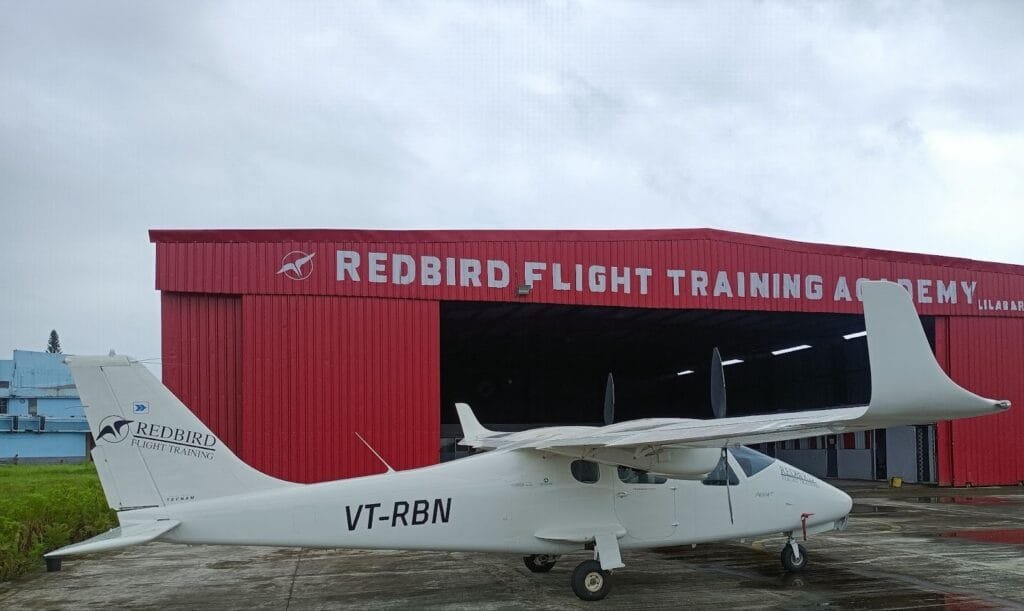
Redbird Aviation stands among India’s most advanced and trusted aviation training organizations, known for producing airline-ready pilots through a blend of technology, discipline, and mentorship.
At Redbird, students train in state-of-the-art aircraft equipped with modern glass cockpits and industry-standard simulators. The academy’s experienced faculty ensures each cadet receives individual attention, combining technical precision with real-world insight.
What truly sets Redbird apart is its focus on holistic development — from ground theory and flight mastery to personality refinement and airline readiness. With multiple training bases across India and Sri Lanka, Redbird offers the perfect environment to train, grow, and take off into a successful aviation career.
FAQs
- What programs do aviation academies in India offer for beginners?
They provide courses ranging from PPL to CPL and integrated cadet programs.
- How long does it take to become airline-ready in India?
Depending on the program, it typically takes 18–36 months, including ground school, simulator training, and flying hours.
- Do aviation academies in India provide simulator training?
Yes, most academies offer advanced single and multi-engine simulators for hands-on, realistic flight practice.
- What kind of support do beginners receive at aviation academies?
Students get mentorship from experienced instructors, structured training schedules, and personalized guidance throughout their course.
- Is prior flying experience required to join an aviation academy in India?
No, most academies accept beginners and provide comprehensive training from the fundamentals to advanced flying skills.