
The aviation industry in India has been growing rapidly, with new airlines, expanding fleets, and an increasing demand for skilled pilots. For those aspiring to take the captain’s seat, choosing the best pilot training institute in India is the first and most crucial step in the journey.
In this blog, we’ll explore what makes a flight school stand out, why India is emerging as a hub for aviation training, and how finding the right institute can transform your dream into reality.
Why Choosing the Right Institute Matters?
Flying an aircraft requires more than just passion. It demands precision, discipline, and world-class training. The best pilot training institute in India offers not only state-of-the-art infrastructure but also a structured pathway that aligns with global aviation standards. From mastering flight simulators to handling live aircraft, every stage of your training builds confidence and prepares you for real-world challenges.
What Makes the Best Pilot Training Institute in India Stand Out?
Not all flight schools are the same. The ones that stand out offer a combination of factors that ensure a student’s complete growth:
1. DGCA Approval and Recognition
India’s aviation authority is the Directorate General of Civil Aviation (DGCA). Any credible pilot training institute must be DGCA-approved. This ensures your training, exams, and certifications are recognised nationwide.
2. Modern Fleet of Aircraft
The best pilot training institute in India will have a fleet of well-maintained aircraft ranging from basic trainers to advanced multi-engine planes. Flying modern aircraft helps students adapt easily to commercial airline cockpits.
3. Experienced Instructors
Institutes with highly qualified instructors give students not only technical expertise but also the confidence to make sound decisions in critical situations.
4. Advanced Flight Simulators
Simulators allow pilots to practice scenarios that are too risky to attempt in real life. The top institutes invest in advanced simulators to prepare students for emergencies, complex maneuvers, and real-time airline environments.
5. Comprehensive Curriculum
The best pilot training institute in India goes beyond teaching flying techniques. It includes ground classes, meteorology, navigation, and communication, ensuring that students are well-rounded professionals ready for global opportunities.
Career Prospects After Pilot Training
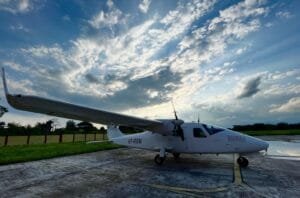
Completing your course at a reputed institute opens doors to several career opportunities. Most students aim for a Commercial Pilot License (CPL) to become airline pilots. Others may pursue private flying, cargo aviation, or even join corporate jet operations.
With India’s aviation industry projected to keep expanding, graduates from the best pilot training institute in India are stepping into a world filled with possibilities.
Common Concerns About Pilot Training
1. Cost of Training
One of the biggest worries for aspiring pilots is the cost. While training can be expensive, it’s important to see it as an investment in a lifelong career. A pilot’s earning potential, especially with experience, quickly justifies the cost.
2. Eligibility and Medicals
To enroll, students must meet DGCA eligibility standards: minimum age, 10+2 with physics and mathematics, and passing a Class 1 medical examination. The best pilot training institute in India provides guidance to help students meet all these requirements.
3. Job Opportunities
Many wonder if jobs are readily available after training. The truth is, India’s growing aviation sector is actively looking for skilled pilots. Choosing the right institute increases your chances of placement by equipping you with the skills airlines demand.
Why is India Becoming a Global Training Hub?
Students from across the world are now looking at India as a preferred destination for flight training. The reasons are simple:
- DGCA regulations that align with international standards
- A rapidly expanding aviation industry offering direct job opportunities
- Institutes with world-class fleets, simulators, and training programs
This makes enrolling in the best pilot training institute in India not just a smart choice for Indians, but also for international students.
Hidden Benefits of Pilot Training
When you sign up for pilot training, you gain much more than technical flying skills.
- Discipline and Responsibility: Managing an aircraft instills a sense of focus and accountability.
- Decision-Making Skills: Pilots are trained to think on their feet, making quick and effective decisions.
- Confidence and Leadership: Flying teaches you to lead, not just follow.
- Global Opportunities: A Commercial Pilot License is recognized internationally, allowing you to work with airlines across the globe.
Tips for Choosing the Best Pilot Training Institute in India
If you’re serious about a flying career, keep these in mind before choosing an institute:
- Check for DGCA approval.
- Look at the fleet size and variety of aircraft
- Review the experience and qualifications of instructors
- Explore facilities like simulators, classrooms, and libraries
- Speak to alumni for honest feedback
- Consider the location and weather, as it impacts flying hours
By keeping these points in mind, you can confidently select the best pilot training institute in India and start your journey to the skies.
How Redbird Aviation Can Shape Your Future?
If you’re looking for the best pilot training institute in India, Redbird Aviation stands out as a trusted choice. With a modern fleet, advanced simulators, experienced instructors, and DGCA approval, Redbird offers everything an aspiring pilot needs to succeed.
Whether you’re aiming for a CPL, PPL, or advanced ratings, Redbird provides a clear path to achieving your aviation dreams.
FAQs
Why is India a hub for pilot training?
India’s booming aviation sector and DGCA-approved academies make it a global hotspot for pilot training.
How much does training at the pilot training institute in India cost?
On average, Commercial Pilot Training in India costs between ₹35–₹50 lakhs, depending on the institute, fleet, and training facilities.
What courses are offered by the flying academies?
Most institutes provide CPL, PPL, Multi-Engine Rating, Ground Classes, and sometimes ATPL theory training.
Is job placement guaranteed after training?
No institute can guarantee jobs, but the academies equip students with the skills, certifications, and connections to secure airline opportunities.
Can international students join pilot training in India?
Yes, many institutes welcome international students, as DGCA-approved training in India is recognized worldwide.
How long does it take to complete CPL training?
It takes 18–24 months to complete CPL training, depending on factors like weather, flying hours, and exam schedules.