

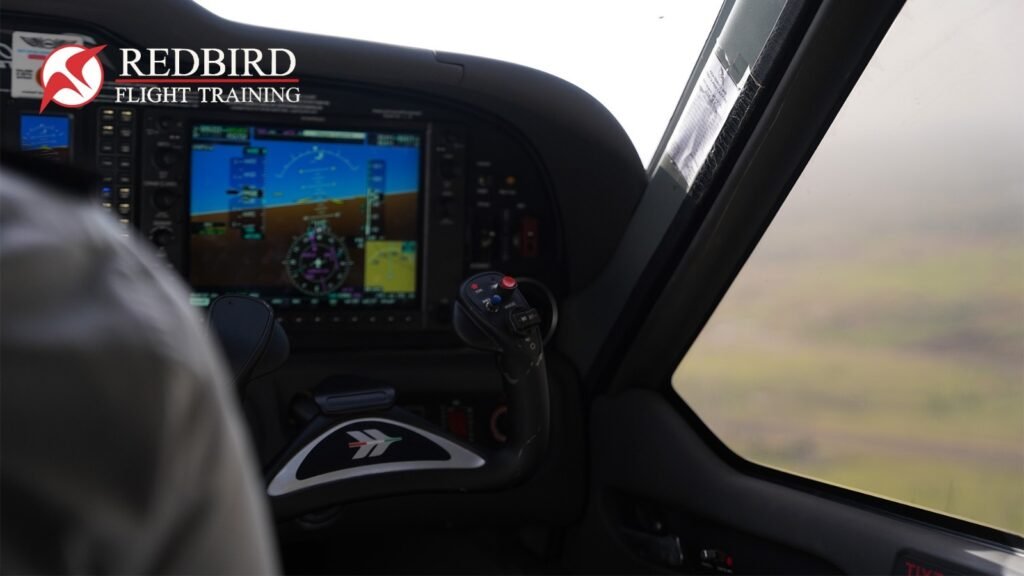
Becoming a commercial pilot is a dream that combines skill, discipline, and immense responsibility. While classroom theory and real flight hours are essential, there is another element that has become the cornerstone of modern commercial pilot training—simulation. Flight simulators have transformed how aspiring pilots learn, practice, and prepare for the real skies. But why are they so critical? Let’s explore.
Decoding Flight Simulation
At its core, a flight simulator is a device that replicates the experience of flying an aircraft. It recreates the cockpit, the controls, and the flight environment, allowing pilots to experience lifelike scenarios without leaving the ground. Advanced simulators even reproduce weather conditions, engine failures, and emergency situations with remarkable realism.
In the context of commercial pilot training, simulators serve multiple purposes. They bridge the gap between theory and practice, offer a safe environment to make mistakes, and enable pilots to experience situations that would be too dangerous to replicate in real life.
Safe Learning Environment
One of the most obvious benefits of using simulators in commercial pilot training is safety. Real-life flying involves risk, especially when practicing emergency procedures or handling engine failures. Simulators allow trainees to confront high-pressure scenarios without endangering themselves, passengers, or expensive aircraft.
For example, a trainee can practice engine failure on takeoff repeatedly in a simulator until they respond instinctively and correctly. This kind of repetition builds muscle memory and decision-making skills that are invaluable in actual flight.
Exposure to Rare and Complex Scenarios
In real-world flying, emergencies are rare but critical. Pilots may encounter severe weather, bird strikes, or system malfunctions—situations that require quick thinking and precise action. Through simulation, trainees in commercial pilot training can experience these events safely.
Simulators allow instructors to create complex scenarios that are nearly impossible to reproduce in actual aircraft. A trainee might handle a sudden loss of engine power, navigate through a lightning storm, or manage unexpected instrument failures. Practicing these events in a controlled environment allows for when real emergencies occur, pilots are prepared and confident.
Cost Efficiency and Accessibility
Aircraft hours are expensive. Fuel costs, maintenance, and operational logistics make repeated real-flight practice costly. Simulation provides a cost-effective solution. With simulators, trainees can log dozens of flight hours practicing procedures, takeoffs, landings, and emergency protocols without the financial burden of real aircraft.
Moreover, simulators are accessible year-round and not limited by weather conditions. A trainee can practice night landings, crosswinds, or instrument approaches even when actual flying conditions are unfavorable. This flexibility is a key reason simulators have become integral to commercial pilot training programs globally.
Building Confidence and Decision-Making Skills
Flying an aircraft is as much about mental acuity as technical skill. Simulators in commercial pilot training allow students to develop confidence in their decision-making. Pilots learn to prioritize tasks, communicate with air traffic control, and maintain composure under stress.
Repeated exposure to high-pressure scenarios helps trainees internalize standard operating procedures and emergency checklists. By the time they transition to real aircraft, they have honed both their skills and their mindset.
Bridging Theory and Practice
Traditional commercial pilot training involves classroom learning of aerodynamics, navigation, and aircraft systems. While essential, theory alone cannot prepare a pilot for real-world flying. Simulators act as a bridge between theory and practice, allowing students to apply concepts in real-time.
For instance, understanding crosswind effects on paper is different from feeling the aircraft respond to them in a simulator. This practical exposure reinforces theoretical knowledge and accelerates learning.
Enhancing Teamwork and Communication
Modern aviation is a collaborative effort. Pilots must work closely with co-pilots, cabin crew, and air traffic control. Simulators enable trainees to practice crew resource management (CRM), which emphasizes teamwork, communication, and decision-making under pressure.
During simulation exercises, pilots learn to delegate tasks, communicate clearly, and coordinate effectively, essential skills for safety and efficiency in commercial aviation. This focus on soft skills, combined with technical training, offers a well-rounded approach to commercial pilot training.
Realistic Feedback and Performance Assessment
Simulators provide instant feedback on trainee performance. Every maneuver, instrument reading, and response to emergencies is logged and analyzed. Instructors can pinpoint areas of improvement, allowing students to refine their skills before transitioning to real aircraft.
This structured feedback loop is critical in commercial pilot training, as it accelerates learning, reduces errors, and prepares students for airline standards.
Redbird Aviation: Your Partner in Flight Excellence
Flight simulation lies at the core of commercial pilot training at Redbird Aviation. With state-of-the-art simulators, experienced instructors, and a structured curriculum, Redbird ensures that trainees gain both technical proficiency and real-world confidence.
From mastering standard procedures to handling complex emergencies, Redbird’s simulator-based training prepares you for every aspect of commercial aviation. Beyond skill development, students learn safety, discipline, and decision-making, making them job-ready for airlines worldwide.
Whether you are starting your journey as a student pilot or preparing for airline operations, Redbird Aviation offers the tools, guidance, and expertise to take your training to new heights.
FAQs
1. How does simulation enhance decision-making in complex flight scenarios?
Simulators expose trainees to unpredictable conditions—system failures, crosswinds, or ATC challenges—helping them refine judgment and response under pressure without real-world risk.
2. In what ways does simulator training mirror real cockpit environments?
Modern simulators replicate cockpit layouts, flight dynamics, and weather conditions, creating near-identical experiences that build instinctive aircraft handling and procedural accuracy.
3. How does simulation improve a pilot’s situational awareness?
Through repeated exposure to dynamic flight situations, trainees learn to monitor instruments, manage workload, and anticipate potential hazards—core traits of professional pilots.
4. Why is simulation essential for mastering emergency procedures?
It allows pilots to practice engine failures, system malfunctions, and emergency landings safely and repeatedly until responses become automatic and precise.
5. How does simulation contribute to training efficiency and cost management?
By reducing the need for early flight hours, it helps students gain operational skill before entering the cockpit—optimizing both time and training expenses.
6. How does Redbird Aviation integrate simulation to strengthen pilot readiness?
Redbird combines advanced simulator sessions with expert mentoring, ensuring pilots transition from simulation to live flight with strong technical and mental preparedness.