

If you have ever watched a plane streak across the sky and felt something move inside you, you already know how powerful the dream of flying can be. But when you finally sit down to plan your career, one question rises to the top. Is Commercial Pilot Training in India worth the cost? Families ask it. Students think about it for weeks. And anyone serious about aviation knows that this decision shapes their future.
Let’s walk through this together in a simple way so that you can judge the value for yourself.
Understanding the Real Investment
The first thing everyone notices about Commercial Pilot Training in India is the cost. It often appears higher than other professional courses. You are paying for flying hours, instructors, aircraft maintenance, examinations, studies, and advanced facilities. It is natural to feel overwhelmed, but remind yourself that you are investing in a skill that is rare and specialised.
Talk to any professional pilot and you will hear the same thing. The training is demanding, the exposure is unique, and the responsibility is significant. This is why the cost exists. You are preparing yourself to carry hundreds of lives across long distances, in every season, every condition. Aviation demands excellence, and excellence requires strong training.
What Makes Pilot Training Such a Unique Career Choice?
Unlike many fields where thousands compete for the same job, aviation has an expanding demand. Airlines continue to grow their fleets. New regional airports open. Routes increase. India alone is projected to become one of the world’s largest aviation markets.
That is why Commercial Pilot Training in India is not just an educational course. It is a gateway to a career that offers global mobility, clear progression, and financial stability. When you think deeper, it becomes clear that the return on investment does not depend only on cost but on long-term rewards.
Training Experience: What You Actually Get?
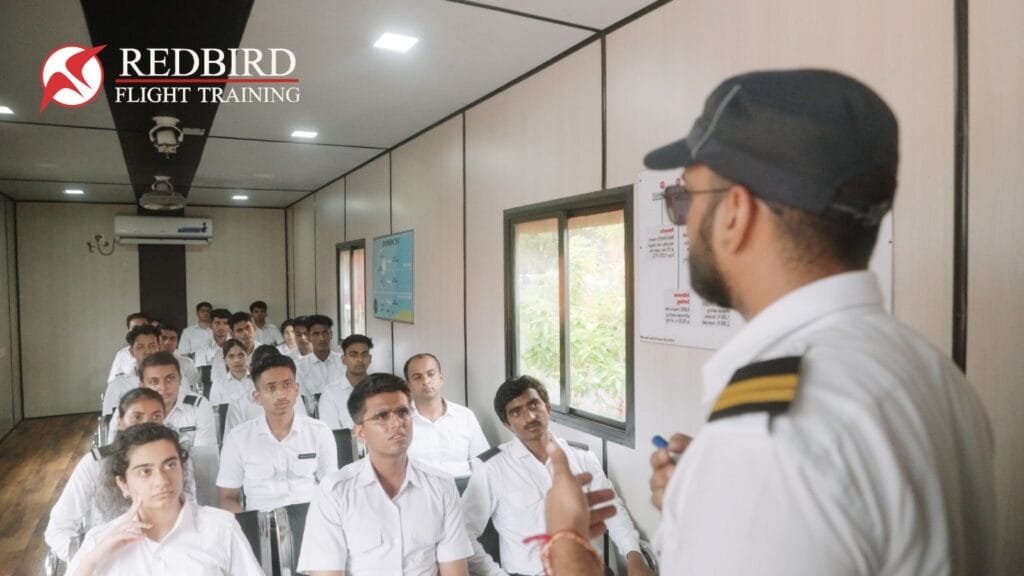
Here is where the value becomes visible. When you join a reputed academy, the environment pulls you into a different world. You learn aerodynamics, navigation, radio communication, meteorology, aviation regulation, and emergency procedures. And then comes the heart of the process: flying.
Flying hours develop real confidence. Your first takeoff, your first cross-country flight, your solo flight — these moments stay with you forever. While going through Commercial Pilot Training in India, students realise that the course is not about passing exams alone. It builds discipline, sharp thinking, and situational awareness.
Each flight teaches something new. You learn how aircraft respond, how weather shifts, how to make judgment calls with calm precision. This is skill-building at its highest level.
Career Prospects After the License
One of the reasons people consider Commercial Pilot Training in India worth the cost is the career path that follows. Once you earn your CPL, you can apply to airlines, charters, cargo operators, and corporate aviation. You can even pursue flight instruction if you enjoy teaching.
Most pilots grow steadily through clear stages: First Officer, Senior First Officer, Captain. With every stage, the responsibility increases, and so does the salary. Few careers offer such structured progression and global opportunities.
This structure is why many students and parents ultimately realise that the cost makes sense. You are not only paying for a course. You are building a lifelong profession.
Aviation in India: Why Now Is the Right Time?
With new airlines entering the market, the growth is steady. India is adding airports at a faster rate than ever before. Air travel is increasing even in smaller towns. This means one thing. The country will need more pilots in the coming years.
Choosing Commercial Pilot Training in India now positions you ahead of future demand. You train during the growth phase so that you are ready when airlines begin hiring in larger numbers.
Making the Decision: What Should You Consider?
Before you commit, think about these questions:
- Do you enjoy learning technical subjects?
- Are you comfortable with a disciplined lifestyle?
- Do you see yourself working in a high-responsibility profession?
- Are you willing to work your way up patiently?
If your answers point toward yes, then Commercial Pilot Training in India becomes not just worth the cost, but a meaningful investment.
How Redbird Aviation Helps You Take the Right Step?
If you choose to begin this journey, the right academy makes all the difference. This is where Redbird Aviation comes in. Their structured approach, strong safety culture, and well-maintained fleet give students the stability they need. Redbird focuses on real skill development, consistent support, and transparent training standards.
From ground school to flight hours, the guidance is steady and student-friendly. With experienced instructors and modern facilities, the entire process becomes smoother and more confident. For anyone planning to pursue Commercial Pilot Training in India, Redbird Aviation offers a foundation that helps you grow with discipline and clarity.
Your dream deserves the right environment, and Redbird ensures you have it from the first day to the final checkride.
FAQs
1. What makes the cost of Commercial Pilot Training in India vary so much?
Training fees shift based on aircraft hours, institute facilities, location, and additional tests or clearances required during the course.
2. What is the average cost of Commercial Pilot Training in India?
Most institutes fall within a similar range, usually covering ground school, flight hours, and mandatory licensing expenses.
3. Does the training fee cover exam and licensing charges?
Some schools include these charges, while others ask students to pay them separately, so it helps to check the fee breakdown beforehand.
4. What financial support options are available for pilot students?
Banks often provide education loans for flight training, and some academies offer installment plans that ease the payment load.
5. What should I check before choosing a training school?
Look at the fleet size, instructor experience, training schedule reliability, safety record, and placement support.
6. Is the cost justified by the career growth of a pilot in India?
Most students find that the long-term career opportunities, steady demand and earning potential balance the initial investment.