

Every pilot’s journey begins with a single step, though many hesitate to take it. They imagine the thrill of flying high above the clouds but are often held back by confusion, misconceptions, or fear of the unknown. The truth is, pilot training is not as mysterious or unreachable as it may seem. It’s a structured, achievable, and deeply rewarding journey that shapes both skill and character.
This blog explores what pilot training truly involves—its challenges, realities, and the myths that often discourage future aviators.
Real Essence of Pilot Training
Pilot training is far more than learning how to operate an aircraft. It’s about understanding weather, navigation, communication, aerodynamics, and human decision-making. Every lesson, from theory to hands-on flying, builds the foundation of a responsible and skilled aviator.
Modern flight academies have made pilot training more efficient and accessible than ever. From advanced simulators to experienced instructors and technology-driven tools, students today learn in an environment that closely mirrors real-world aviation.
In India, the aviation sector is growing rapidly, creating enormous opportunities for new pilots. With airlines expanding their fleets and regional connectivity improving, pilot training has become one of the most promising career paths for students who are disciplined and determined.
Understanding the Path: From Student to Commercial Pilot
A pilot’s journey begins with a Student Pilot Licence (SPL), followed by a Private Pilot Licence (PPL), and finally, a Commercial Pilot Licence (CPL). Along the way, trainees gain both technical and practical knowledge through ground school classes and in-flight sessions.
Ground school focuses on theory—subjects such as meteorology, air navigation, regulations, and aircraft systems—while flight sessions build hands-on skills. The combination ensures that every pilot is not just capable of flying but also capable of making sound judgments in the air.
Training also includes simulator sessions, which replicate real flight conditions and emergencies in a controlled setup. These simulations help students strengthen their instincts and decision-making, key qualities for safe and confident flying.
Myths that Hold Students Back
Despite growing awareness, a few misconceptions still keep aspiring pilots from pursuing their dreams. Let’s address some of them directly.
Myth 1: Only the rich can afford pilot training.
The reality is that with scholarships, education loans, and staged programs, aviation is now open to anyone willing to plan and commit.
Myth 2: You need perfect vision.
Corrected eyesight with glasses or lenses is allowed under DGCA medical standards. What matters most is overall fitness and alertness.
Myth 3: It’s too difficult to qualify.
Pilot training is challenging, but it’s designed to help students progress gradually with constant instructor support and practical learning.
Myth 4: There are no job opportunities.
The aviation sector in India is expanding rapidly, with airlines, charter companies, and flight schools constantly seeking trained pilots.
Myth 5: Training abroad is always better.
Many Indian flight schools now match global standards with advanced aircraft, DGCA-approved syllabi, and world-class facilities.
Modern Approach to Pilot Training in India
Pilot training in India has undergone a transformation in recent years. With DGCA-approved academies investing in new aircraft fleets, advanced flight simulators, and structured training programs, students now receive education on par with global standards.
Modern training focuses not only on technical expertise but also on building leadership, teamwork, and decision-making skills essential for any cockpit environment. Simulator technology has become a vital part of this process, helping students gain hours of practical experience in safe and realistic conditions.
Additionally, ground school programs have evolved with digital learning tools, making complex subjects easier to grasp. Candidates receive mentorship that continues beyond licensing, guiding them toward career placement and airline readiness.
Skills You Develop Through Pilot Training
Beyond flying, pilot training teaches essential life skills that shape character and discipline. Some of these include:
- Situational awareness: Understanding how to analyze surroundings and respond effectively.
- Decision-making: Making precise, timely choices under pressure.
- Teamwork: Communicating clearly with air traffic control, co-pilots, and ground crew.
- Responsibility: Prioritizing safety and procedure at every stage of flight.
- Confidence: Gaining the self-assurance to lead and manage challenges calmly.
These skills extend far beyond aviation, preparing individuals for leadership roles in any field.
Future of Pilot Training
With India’s aviation industry projected to become one of the largest in the world, the demand for well-trained pilots is soaring. The government’s push for regional air connectivity, new airports, and increased airline fleets has made aviation a stable and rewarding career choice.
As airlines continue to expand, pilots with strong training backgrounds will be in high demand. This is why choosing the right institution for your pilot training matters more than ever. A good academy not only teaches you how to fly but also shapes your professional attitude, precision, and adaptability.
Why Redbird Aviation Stands Out?
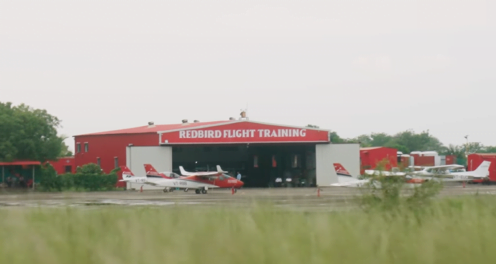
At Redbird Aviation, the focus is on building capable, confident, and globally competent pilots. As one of India’s leading flight training organizations, Redbird provides world-class facilities, DGCA-approved programs, and a structured approach that covers every stage of pilot development.
Here’s how Redbird Aviation helps you achieve your dream:
- End-to-end pilot training from Student Pilot Licence (SPL) to Commercial Pilot Licence (CPL)
- World-class simulators for realistic, hands-on experience
- Highly qualified instructors with global flying experience
- Career guidance and placement support with top aviation organizations
- Focus on safety, precision, and professionalism at every stage
When you train with Redbird, you don’t just learn to fly—you learn to lead with confidence, clarity, and purpose.
Final Thoughts
Pilot training is not just about learning to fly—it’s about learning to think, decide, and lead in the air and on the ground. Myths and doubts fade quickly when met with the right information, mentorship, and environment.
For those who are passionate about flying, the sky is not the limit—it’s the starting point. And with Redbird Aviation, your journey to becoming a world-class pilot begins on solid ground.