

Look up at the sky today and you’ll notice something new. It’s not just birds and airplanes anymore. Drones are everywhere, capturing films, scanning farms, mapping cities, and even helping in rescue missions. What started as a hobby for a few has now turned into a powerful tool for entire industries. With this shift comes one question for anyone curious and ambitious: why not build a career as a professional drone pilot?
If you’re looking to turn your fascination with drones into a viable career, a drone pilot course is your first step. But why exactly is it so essential? Let’s explore the benefits, career prospects, and how formal training can launch you into a sky-high career.
Rise of Drone Careers
Drones are no longer niche technology—they are now integral to many industries. Companies are increasingly using drones for data collection, mapping, monitoring, and content creation. This surge in demand has created a shortage of trained professionals capable of operating drones safely and efficiently. According to research, the Indian drone market is expected to reach $1.8 billion by 2026, creating more than 100,000 job opportunities across various drone-related sectors.
Consider industries like filmmaking, construction, agriculture, and emergency services. Each requires skilled drone pilots who understand flight dynamics, safety protocols, and legal regulations.
This is where a drone pilot course comes in. It provides structured learning, hands-on practice, and certifications that validate your skills to potential employers. With drones becoming essential tools in modern workflows, completing a recognized course positions you as a professional in high demand.
What a Drone Pilot Course Offers?
A drone pilot course is designed to give aspiring pilots the technical knowledge and practical skills required for professional drone operations. Unlike casual learning, formal courses provide a comprehensive curriculum that covers:
- Drone operation basics: Learn how drones work, including flight mechanics, navigation, and controls.
- Safety and regulations: Understand airspace laws, safety protocols, and permissions needed for commercial drone use.
- Practical flying skills: Gain real-time experience with drones, including takeoffs, landings, and maneuvering in different environments.
- Industry-specific applications: Explore how drones are used in sectors like agriculture, real estate, construction, and cinematography.
- Data collection and analysis: Learn how to gather and interpret aerial data, maps, and images for business purposes.
Completing a drone pilot course doesn’t just give you a certificate; it equips you with practical knowledge that is immediately applicable in professional settings.
Hands-On Learning: Why It Matters?
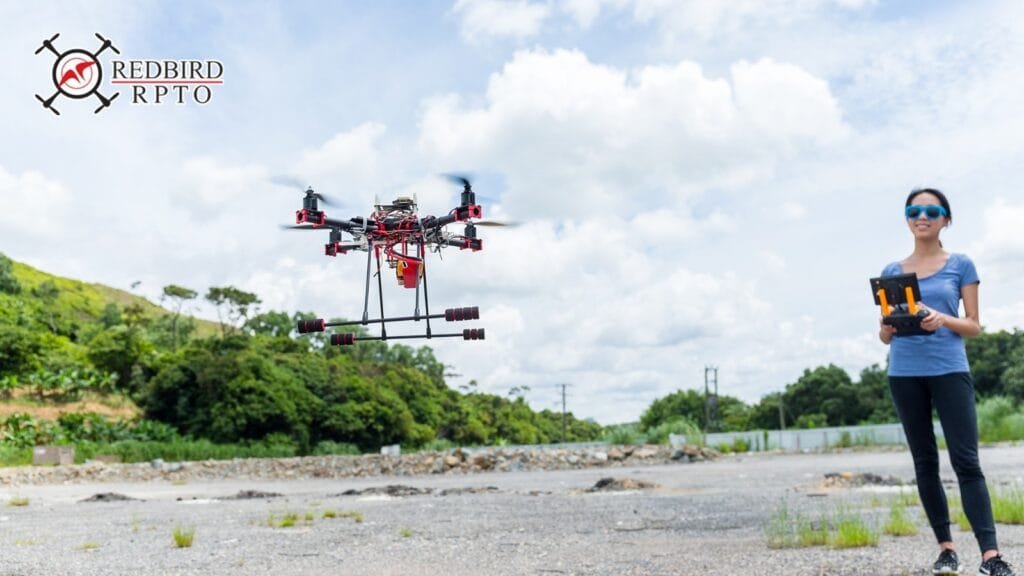
Theoretical knowledge is important, but nothing beats real-world flying experience. In professional drone training courses, students spend significant time practicing under supervision. This hands-on approach builds confidence, hones reflexes, and teaches students how to handle unexpected challenges during flight.
Practical experience also exposes students to a variety of drone types and sensors, preparing them for diverse applications. Whether you aim to capture cinematic shots or conduct aerial surveys, a strong foundation in hands-on flying is crucial.
Many employers prioritize experience over theory. Having completed a structured drone pilot course with practical hours logged demonstrates that you can perform safely, efficiently, and professionally—qualities that are highly valued across industries.
Career Opportunities After a Drone Pilot Course
Completing a drone pilot course opens doors to a wide range of career paths. Here are some popular roles:
- Aerial Photographer and Videographer: Capture stunning visuals for films, advertisements, real estate, and tourism.
- Agriculture Analyst: Use drones to monitor crop health, map fields, and optimize yields.
- Construction and Infrastructure Surveyor: Perform site inspections, create 3D maps, and monitor progress efficiently.
- Emergency Response Operator: Assist in disaster management, search-and-rescue operations, and public safety missions.
These roles not only offer competitive salaries but also allow for growth and specialization. With continuous advancements in drone technology, skilled pilots are likely to remain in high demand for years to come.
Why Drone Training Courses Are Important?
While it’s possible to teach yourself through online videos or casual experimentation, professional drone training courses offer benefits that DIY methods cannot match.
- Structured Learning: Courses follow a clear curriculum that builds skills progressively.
- Regulatory Knowledge: Flying drones commercially requires understanding legal rules. Training ensures you’re compliant.
- Networking Opportunities: Training programs connect you with peers and industry professionals, creating potential career connections.
- Industry-Ready Skills: From aerial mapping to data analysis, courses equip you with skills directly applicable to professional roles.
- Certification: Completing certified drone training courses provides proof of competence, making you a more attractive candidate for employers.
By investing time and effort into a structured course, you gain far more than just flying skills—you gain credibility and confidence.
Interactive Considerations: Are You Ready?
If you’re thinking about taking a drone pilot course, ask yourself a few questions:
- Do you enjoy working with technology and gadgets?
- Are you interested in fields like photography, agriculture, construction, or emergency services?
- Do you want a career that combines creativity with technical skills?
- Are you willing to invest time in learning regulations, flight safety, and data analysis?
If your answer is “yes” to most of these, a drone pilot course is likely a perfect fit. Not only will it equip you with skills, but it will also prepare you for a career that is evolving and in high demand.
Future of Drone Careers
The drone industry is expected to grow exponentially in the coming years. Emerging technologies, new applications, and government initiatives promoting commercial drone usage all indicate that skilled drone pilots will be needed in multiple sectors.
From urban planning and logistics to filmmaking and environmental monitoring, the applications are vast. Professionals trained through structured drone pilot courses will be the ones who can take advantage of these opportunities. The combination of technical expertise, hands-on experience, and certifications will make them highly sought after by employers.
How Redbird RPTO Lifts Your Career?
For aspiring drone pilots, choosing the right training provider is crucial. Redbird RPTO offers comprehensive drone pilot courses that are designed to prepare you for professional success. Here’s how Redbird stands out:
- Expert Instructors: Learn from highly experienced pilots who guide you at every step.
- Hands-On Training: Gain practical flying experience with advanced drones under supervision.
- Industry-Relevant Curriculum: Courses cover safety protocols, regulations, aerial photography, surveying, and data analysis.
By enrolling in a drone pilot course at Redbird RPTO, you not only gain knowledge and skills, but you also invest in a future-proof career. Redbird ensures that you are fully prepared to meet industry demands and take your first step into the rapidly growing drone ecosystem confidently.