

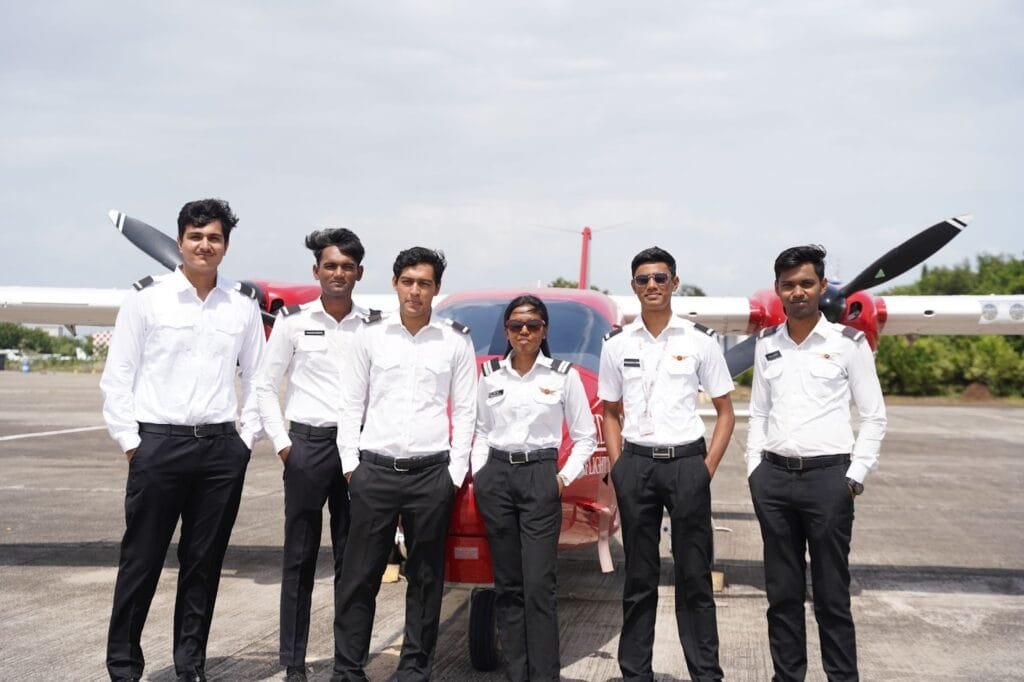
Dreams of flying always start the same way—with eyes fixed on the sky and a heart ready to chase it. But when reality steps in, so does the big question: “Can I really afford it?” For many aspiring aviators, the thought of pilot training fees can feel like turbulence before takeoff. Yet, what if that cost isn’t a hurdle, but your runway to something far greater?
Let’s talk about what really goes into becoming a pilot—and why your investment might just be one of the smartest moves you ever make.
Understanding What Pilot Training Fees Actually Mean
When you hear the phrase pilot training fees, you might picture just a few flying sessions and classroom lessons. But in truth, that fee covers a full transformation—from a beginner to a licensed professional who commands an aircraft confidently.
Most DGCA-approved academies in India charge anywhere between ₹35–₹55 lakhs for a Commercial Pilot License (CPL). That includes ground school, flight hours, simulator training, and examinations. The number may sound steep, but think of it as paying for the most comprehensive and specialized education in the world.
Every flight hour, every check ride, and every simulator session builds the foundation of your future career.
Why Pilot Training Fees Are So High?
There’s a reason why aviation is known for its precision and discipline—it’s an industry that doesn’t compromise on quality.
Flying schools must maintain aircraft in perfect condition, keep simulators updated with real-world systems, and hire instructors with thousands of flight hours behind them. Fuel costs, maintenance, and regulatory standards all add up.
But behind every rupee of pilot training fees lies a value chain of safety, technology, and global credibility. You’re not just learning to fly; you’re learning to handle lives, weather, and machinery at 35,000 feet. That level of training doesn’t come cheap—and it shouldn’t.
What You Get in Return?
Let’s shift the focus from cost to return—because this is where the sky starts opening up.
Once you’ve earned your wings, a commercial pilot in India can start with salaries ranging between ₹1.5–₹3 lakh per month. Within a few years, as you move up to Captain level or shift to international airlines, that number can multiply several times over.
And beyond money? There’s freedom. Pride. The unmatched view from the cockpit. You’re not just clocking hours at a desk—you’re watching sunrises over clouds and crossing time zones as part of your daily routine.
When you look at it that way, pilot training fees become an investment with returns that last a lifetime.
How Long Before It Pays Off?
Every pilot’s journey is unique, but most find that their initial investment balances out within a few years of flying. Aviation is one of the few professions where the starting salary, global demand, and growth potential all rise together.
With major airlines expanding fleets and new carriers entering the Indian market, the demand for trained pilots continues to soar. What you spend today on pilot training fees is essentially buying yourself entry into a career that rarely sees a sunset.
More Than Just a Career
Ask any pilot, and they’ll tell you—flying isn’t just work, it’s a feeling. The adrenaline of take-off, the responsibility of command, and the quiet pride of wearing those wings never fade.
Yes, pilot training fees require careful planning. But the emotional return—confidence, discipline, and purpose—is something money can’t measure.
Every flight builds more than skill; it builds character. And that’s a return that pays off long before your paycheck does.
How to Manage the Cost?
If the cost feels daunting, remember—smart planning can make it manageable. Many cadets fund their pilot training fees through education loans or scholarships. Some academies also allow phased payments or financial partnerships with banks to ease the journey.
Start with research. Compare programs. Understand exactly what each school offers within their pilot training fees. When you’re clear about where your money goes, it becomes easier to commit to the goal ahead.
Training in India vs Abroad
A decade ago, many Indian students went abroad for flight training because of better infrastructure. Today, that’s no longer necessary.
With DGCA-approved academies equipped with modern fleets, simulators, and trained instructors, India’s aviation education stands shoulder-to-shoulder with international standards. The biggest advantage? You get world-class training while saving significantly on overall pilot training fees and living costs.
Real Worth of Your Investment
Here’s something most people overlook—your pilot license isn’t just a document; it’s a global passport to opportunities.
Once you complete training, you can work anywhere—India, the Middle East, Europe, or beyond. The skills you learn are universal, and the experience only adds to your value as a professional. Over a lifetime, the return on your pilot training fees goes far beyond your first paycheck—it shapes a career filled with movement, growth, and meaning.
How Redbird Aviation Helps You Take Off?
At Redbird Aviation, we believe your dreams deserve structure, guidance, and wings. Our DGCA-approved training programs are designed to make your investment in pilot training truly worthwhile.
We provide world-class aircraft, advanced simulators, and expert instructors to prepare you for real-world flying. Every session focuses on discipline, precision, and confidence—qualities that define professional aviators.
Redbird also assists cadets with financial planning, loan support, and a smooth application process, ensuring that your focus stays on learning, not logistics.
With Redbird Aviation, you’re not just paying pilot training fees—you’re investing in a future built on skill, passion, and possibility. Because here, your dream of flying doesn’t just take off—it soars.